






Bringing houseplants into your living space can add beauty, improve air quality, and create a calming atmosphere. However, keeping these green companions healthy requires understanding their needs and providing consistent care. Whether you’re a seasoned plant parent or just starting out, these tips will help your houseplants thrive and remain vibrant.
Understanding Your Houseplants’ Basic Needs
Each plant species has unique requirements, but most houseplants share several fundamental needs: light, water, soil, temperature, and humidity. Understanding these elements will help you create a suitable environment for your plants.
Light: Find the Right Spot
Light is the primary energy source for photosynthesis, so placing your plants in the right light is crucial.
– Identify plant light requirements: Some plants prefer bright, direct sunlight (like succulents and cacti), while others thrive in low to medium indirect light (such as pothos or snake plants).
– Monitor natural light: Observe the light patterns in your home throughout the day. South-facing windows usually receive the most light, while north-facing rooms get less.
– Use supplemental lighting: If natural light is limited, consider grow lights designed for indoor plants to provide the necessary energy.
Water: Consistency is Key
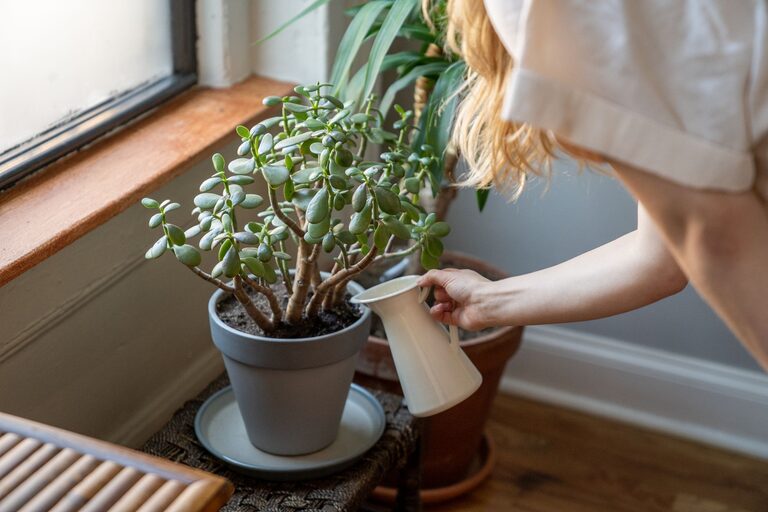
Watering is often one of the biggest challenges for indoor gardeners. Both overwatering and underwatering can harm plants.
– Understand your plant’s watering needs: Research how often your specific plant requires water.
– Check soil moisture: Before watering, touch the soil about an inch below the surface. Water only if it feels dry.
– Use proper drainage: Ensure pots have drainage holes to prevent waterlogging, which can cause root rot.
– Water thoroughly: When you water, do so until water drains out of the bottom, ensuring the roots get hydrated.
Soil: Choose the Right Medium
Healthy soil provides nutrients, supports roots, and helps with water retention and drainage.
– Select a suitable potting mix: Use soil formulated for indoor plants or specific types like cacti or orchids.
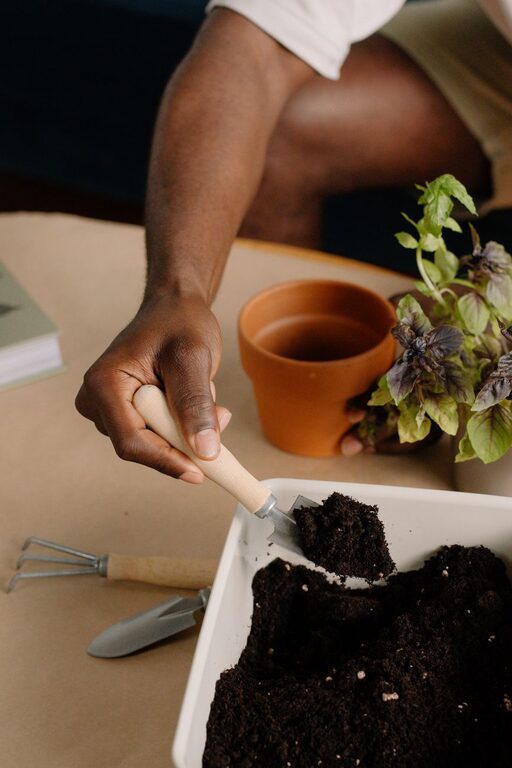
– Repot when necessary: If plants become root-bound or the soil loses its structure, repot with fresh soil.
– Add amendments: Incorporate organic matter or perlite to improve aeration and drainage as needed.
Additional Care Tips for Thriving Houseplants
Besides the basics, other factors contribute to plant health. These include temperature, humidity, fertilization, pest control, and pruning.
Temperature and Humidity: Create a Comfortable Environment
Most houseplants prefer temperatures between 65°F and 75°F and moderate humidity.
– Avoid drafts and sudden changes: Keep plants away from heating vents, open windows, or air conditioners that cause temperature swings.
– Increase humidity: Many tropical plants benefit from higher humidity. Use a humidifier, mist plants regularly, or group plants together to boost moisture levels.
Fertilization: Feed Your Plants Wisely
Plants need nutrients to grow, but too much fertilizer can harm them.
– Use balanced fertilizers: Choose a general-purpose indoor plant fertilizer or one tailored to your specific plant.
– Follow recommended schedules: Typically, fertilize during the growing season (spring and summer) and reduce or stop feeding in fall and winter.
– Avoid overfeeding: Excess fertilizer can cause leaf burn and salt build-up in soil.
Pest Management: Keep Unwanted Visitors at Bay
Indoor plants can attract pests like spider mites, aphids, or mealybugs.
– Inspect plants regularly: Check leaves, stems, and soil for signs of pests or disease.
– Isolate new plants: Quarantine new additions for a few days to ensure they are pest-free.
– Treat infestations promptly: Use insecticidal soap, neem oil, or natural remedies to address common pests.
Pruning and Cleaning: Promote Growth and Health
Regular maintenance keeps plants looking their best and encourages new growth.
– Remove dead or yellowing leaves: This prevents disease and improves appearance.
– Trim leggy growth: Pruning stimulates bushier and fuller plants.
– Clean leaves: Dust can block sunlight, so gently wipe leaves with a damp cloth.
Frequently Asked Questions About Houseplant Care
How often should I water my houseplants?
Watering frequency depends on the plant type, pot size, and home environment. A general rule is to water when the top inch of soil feels dry. Always check soil moisture before watering.
What is the best type of pot for houseplants?
Terracotta pots allow better air and moisture exchange, but they dry out faster. Plastic pots retain moisture longer. Choose based on your plant’s water needs and your watering habits.
Can houseplants survive under artificial light only?
Many houseplants can adapt to artificial light, but they need sufficient intensity and duration. Use full-spectrum grow lights to mimic natural sunlight.
Final Thoughts
Healthy houseplants require attention, patience, and a little know-how. By observing your plants, providing the right conditions, and addressing their needs with care, you can enjoy thriving greenery that livens up your living space. Remember, each plant is unique, so experiencing what works best will help you become a confident and successful indoor gardener. Happy planting!