







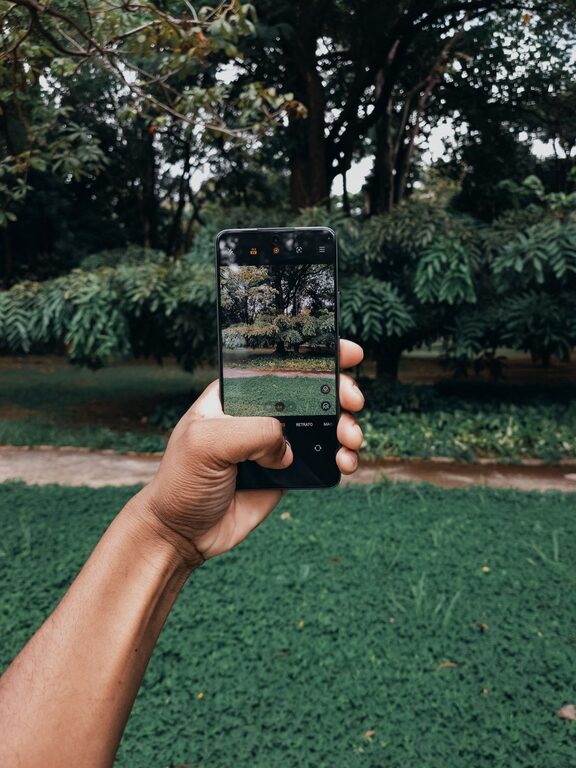
Taking great photos with your phone is easier than you might think. With a few straightforward tips and a bit of practice, you can capture beautiful images that stand out. Whether you’re snapping pictures of friends, nature, or everyday moments, these beginner tips will help you improve your phone photography skills and make the most of your device’s camera.
Understand Your Phone’s Camera Features
Explore the Camera App
Before you start taking pictures, spend some time exploring your phone’s camera app. Most modern smartphones come with multiple modes such as portrait, panorama, time-lapse, and night mode. Familiarize yourself with these options to know what’s available and when to use them.
Learn About Resolution and Aspect Ratio
Check your camera settings to make sure you’re shooting at the highest resolution. High-resolution images provide better detail and more flexibility for cropping or editing later. Also, try different aspect ratios (like 4:3, 16:9) to see which suits your subject best.
Focus and Exposure: Keys to Clear Photos
Tap to Focus
One of the simplest ways to improve your photo is to tap the screen where you want the camera to focus. This ensures your main subject is crisp and sharp.
Adjust Exposure
After tapping to focus, many phones allow you to slide your finger up or down to brighten or darken the image. Use this feature to avoid photos that are too dark or too bright.
Composition Basics: Make Your Photos More Engaging
Use the Rule of Thirds
Enable the grid lines in your camera settings. This divides your screen into nine equal parts. Try placing your subject along these grid lines or their intersections to create well-balanced and interesting photos.
Get Close and Fill the Frame
Don’t be afraid to move closer to your subject. Filling the frame with your subject can add impact to your photos and reduce distracting background elements.
Pay Attention to Backgrounds
A clutter-free background helps your subject stand out. Look for simple, clean backgrounds or use a shallow depth of field (portrait mode) to blur the background and highlight the subject.
Lighting: The Secret to Great Photos
Use Natural Light When Possible
Outdoor light, especially during the “golden hour” (shortly after sunrise or before sunset), gives your photos a warm, soft glow. Avoid harsh midday sunlight, which can create strong shadows and highlights.
Avoid Using the Flash
The built-in flash often produces harsh, unnatural light. Instead, look for well-lit areas or use lamps and other light sources to brighten your subject.
Experiment with Shadows and Reflections
Shadows and reflections can add depth and interest to your photos. Try shooting near windows, water, or shiny surfaces to create creative effects.
Steady Your Shots for Sharp Photos
Hold Your Phone with Both Hands
Using both hands provides more stability and reduces camera shake. You can also lean against a solid surface for extra support.
Use a Timer or Voice Command
If your phone has a timer or voice command feature, use it to avoid shaking the camera when pressing the shutter button.
Consider a Tripod
For serious improvement, affordable mini tripods or phone mounts can help keep your phone steady, especially for low-light or long-exposure shots.
Edit Your Photos to Enhance Their Look
Use Built-In Editing Tools
Most phones include simple and effective editing features like cropping, brightness, contrast, and saturation adjustments. Use these tools to fine-tune your images.
Try Free Editing Apps
If you want more control, explore free apps like Snapseed or Lightroom Mobile. These apps offer powerful editing options suitable for beginners.
Don’t Overdo It
Avoid heavy filters or excessive editing. The goal is to enhance your photo, not make it look artificial.
Practice Regularly and Experiment
Take Photos Often
The more you practice, the better you’ll understand what works and what doesn’t. Try shooting different subjects, lighting conditions, and angles.
Review and Learn from Your Photos
Look at your photos critically and identify areas for improvement. Don’t be afraid to experiment with new techniques.
Join Online Communities
Sharing your photos and getting feedback from others who enjoy phone photography can be motivating and educational.
—
By following these tips and dedicating some time to practice, you’ll be surprised at how much your phone photography skills improve. Remember, the best camera is the one you have with you, so keep capturing those moments!